
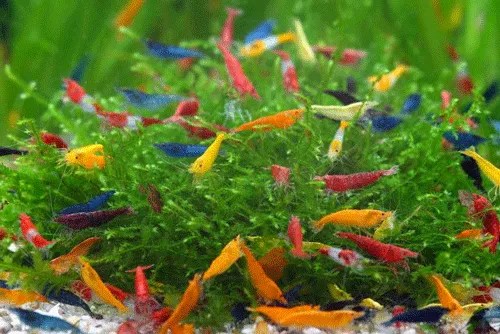
Neocaridina davidi shrimp, commonly known as Cherry Shrimp, are one of the most popular freshwater shrimp species in the world. They are prized for their vibrant red coloration, ease of care, and relatively low cost. Appearance Cherry Shrimp are typically a deep, ruby red color, but they can also exhibit other colors, such as blue, yellow, green, and orange. Some shrimp may also have multiple colors mixed together, creating a truly unique appearance. Size and Growth Adult Cherry Shrimp typically reach 1-2 centimeters in length. They are slow-growing creatures, taking up to 6 months to reach maturity. Behavior Cherry Shrimp are peaceful and social creatures. They are active swimmers and scavengers, and they will spend their days grazing on algae, biofilm, and decaying plant matter. Cherry Shrimp are also known for their playful behavior. They enjoy hiding in plants and exploring their surroundings. Diet Cherry Shrimp are omnivores, meaning they will eat both plant and animal matter. A balanced diet for Cherry Shrimp should consist of a variety of foods, including: Algae wafers Spirulina flakes Blanched vegetables (such as zucchini, spinach, and carrots) Shrimp pellets Bloodworms Brine shrimp Care and Maintenance Cherry Shrimp are relatively easy to care for. They require a well-planted aquarium with soft, acidic water. The pH of the water should be between 6.5 and 7.0, and the hardness should be between 2 and 8 dGH. The temperature of the water should be between 72 and 78 degrees Fahrenheit. Cherry Shrimp are sensitive to ammonia and nitrite, so it is important to test the water regularly and perform regular water changes. Water changes should be done at least once a week, and more often if necessary. Breeding Cherry Shrimp are relatively easy to breed. If the water parameters are correct and the shrimp are well-fed, they will often breed on their own. The female shrimp will carry the eggs under her abdomen for about 3 weeks. After the eggs hatch, the larvae will drift freely in the water for about 2 weeks before settling on the substrate and becoming juveniles. Benefits of Keeping Cherry Shrimp There are many benefits to keeping Cherry Shrimp in your aquarium. Here are just a few: They are beautiful creatures that add a touch of elegance to any aquarium. They are relatively easy to care for and breed. They are scavengers, so they can help to keep your aquarium clean. They are social creatures, and they do well in groups. They are relatively inexpensive to purchase. Tips for Keeping Cherry Shrimp Healthy Here are a few tips for keeping your Cherry Shrimp healthy: Provide a well-planted aquarium. Plants provide hiding places for the shrimp and help to keep the water clean. Use soft, acidic water. Cherry Shrimp prefer soft, acidic water with a pH of between 6.5 and 7.0. Perform regular water changes. Water changes help to remove harmful toxins from the water. Feed your shrimp a balanced diet. A balanced diet should consist of a variety of plant and animal matter. Monitor the water parameters regularly. It is important to test the water for ammonia, nitrite, and nitrate levels. Conclusion Cherry Shrimp are a beautiful and rewarding addition to any freshwater aquarium. They are easy to care for, breed, and watch. If you are looking for a colorful and unique addition to your aquarium, Cherry Shrimp are the perfect choice for you. Additional Tips Avoid using harsh chemicals in your aquarium, as these can harm the shrimp. Add live plants to your aquarium. Live plants provide hiding places for the shrimp and help to keep the water clean. Avoid overstocking your aquarium. Cherry Shrimp need plenty of space to swim and scavenge. Be patient. Cherry Shrimp can be slow-growing creatures, so it may take some time for them to reach maturity and start breeding. With proper care, Cherry Shrimp can live for several years and provide years of enjoyment to their owners.
Brand
Cooler Master