
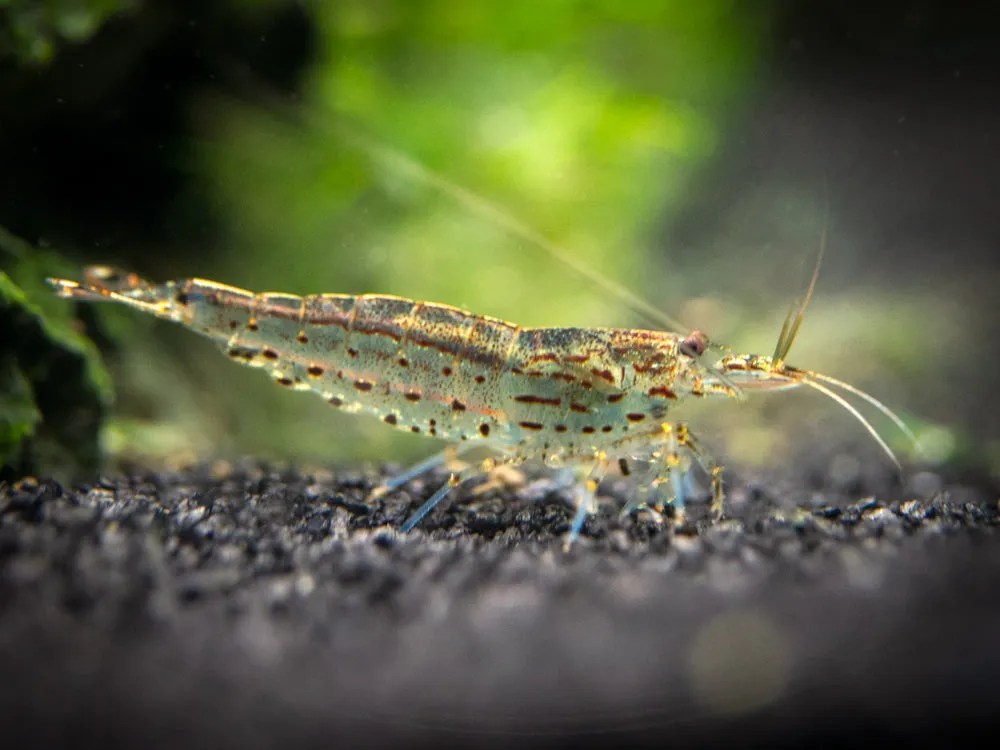
Amano Shrimp, also known as Yamato Shrimp, are freshwater shrimp native to Japan and Taiwan. They are prized for their hardiness, algae-eating abilities, and peaceful nature. Amano Shrimp are a popular choice for freshwater aquariums, and they can help to keep the aquarium clean and free of algae. Appearance Amano Shrimp are typically transparent with brown or black markings. They have long, slender bodies and antennae. Amano Shrimp can grow to be up to 2 inches in length, but they are typically smaller in captivity. Size and Growth Amano Shrimp reach sexual maturity at around 6 months old. Females can lay up to 200 eggs at a time, but only a small percentage of the eggs will hatch and survive. Amano Shrimp can live for up to 5 years in captivity. Behavior Amano Shrimp are peaceful creatures and do well in community aquariums. They are active swimmers and scavengers, and they will spend their days grazing on algae and other detritus. Amano Shrimp are also known to be very hardy and can tolerate a wide range of water conditions. Diet Amano Shrimp are omnivores and will eat a variety of foods, including algae, biofilm, and decaying plant matter. However, they are especially fond of algae. Amano Shrimp can be fed a variety of commercial shrimp foods, as well as blanched vegetables such as zucchini, spinach, and carrots. Care and Maintenance Amano Shrimp are relatively easy to care for. They require a well-planted aquarium with clean water. The pH of the water should be between 6.5 and 7.5, and the hardness should be between 3 and 8 dGH. The temperature of the water should be between 72 and 78 degrees Fahrenheit. Amano Shrimp are sensitive to ammonia and nitrite, so it is important to test the water regularly and perform regular water changes. Water changes should be done at least once a week, and more often if necessary. Breeding Amano Shrimp can be bred in captivity, but it is more difficult than breeding other types of freshwater shrimp. The female shrimp will lay her eggs on a hard surface, such as a rock or piece of driftwood. The eggs will hatch after about 2 weeks, and the larvae will drift freely in the water for about 2 more weeks before settling on the substrate and becoming juveniles. Benefits of Keeping Amano Shrimp There are many benefits to keeping Amano Shrimp in your aquarium. Here are just a few: They are beautiful creatures that add a touch of elegance to any aquarium. They are very good at eating algae, which can help to keep your aquarium clean and free of algae. They are peaceful creatures and do well in community aquariums. They are relatively easy to care for. They can live for several years in captivity. Tips for Keeping Amano Shrimp Healthy Here are a few tips for keeping your Amano Shrimp healthy: Provide a well-planted aquarium. Plants provide hiding places for the shrimp and help to keep the water clean. Use soft to medium water. Amano Shrimp prefer soft to medium water with a pH of between 6.5 and 7.5. Perform regular water changes. Water changes help to remove harmful toxins from the water. Feed your shrimp a balanced diet. A balanced diet should consist of a variety of plant and animal matter, including algae, biofilm, and blanched vegetables. Monitor the water parameters regularly. It is important to test the water for ammonia, nitrite, and nitrate levels. Conclusion Amano Shrimp are a beautiful and beneficial addition to any freshwater aquarium. They are easy to care for, and they can help to keep your aquarium clean and free of algae. If you are looking for a peaceful and hardy shrimp to add to your aquarium, Amano Shrimp are the perfect choice for you. Additional Tips Avoid using harsh chemicals in your aquarium, as these can harm the shrimp. Avoid overstocking your aquarium. Amano Shrimp need plenty of space to swim and scavenge. Be patient. Amano Shrimp can be slow-growing creatures, so it may take some time for them to reach maturity and start breeding. With proper care, Amano Shrimp can live for several years and provide years of enjoyment to their owners.
Brand
Cooler Master
Related products
-
Pearl Ruby Rhinestone Tiara Religious Crown Pin Brooch, Beauty Pageant Princess Bridal Wedding Crown Pin MN4Add to basket
Quick View
-
Vintage Rhinestone Gold Plate Crucifix Cross Religious Christian Crown Pin Brooch Jewelry, Crowns BroochesAdd to basket
Quick View
-
Mom Tiara Crown Rhinestone Pin Brooch Women’s Crystal JewelryRead more
Quick View
-
Vintage Diamond Rhinestone Crown Pin Princess Tiara Beauty Pageant Brooch Women’s Jewelry, Crowns Brooches PinsAdd to basket
Quick View