
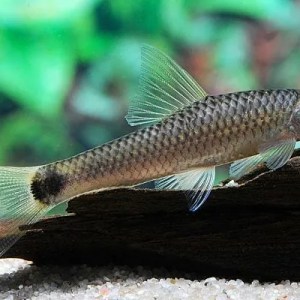
“Algae Eating Shrimp” is a general term that refers to various species of freshwater shrimp known for their role in consuming algae in aquariums. These shrimp are popular additions to planted and community tanks because they help keep the aquarium environment clean by grazing on algae. Some common species of algae-eating shrimp include: Amano Shrimp (Caridina multidentata or Caridina japonica): Amano shrimp are renowned for their voracious appetite for various types of algae, making them effective algae eaters. They have a transparent body with a light green to brownish coloration. Red Cherry Shrimp (Neocaridina davidi): Red Cherry Shrimp are small and come in various colors, including bright red, making them popular for their ornamental appeal. They feed on algae, detritus, and organic matter in the aquarium. Crystal Red Shrimp (Caridina cantonensis): Crystal Red Shrimp, also known as CRS, are highly sought after for their striking red and white coloration. They are proficient algae eaters and are often kept in planted tanks. Bamboo Shrimp (Atyopsis moluccensis): Bamboo Shrimp are filter-feeding shrimp that use specialized fan-like appendages to capture small particles and microorganisms from the water. While they primarily feed on suspended particles, they may also consume some types of algae. Ghost Shrimp (Palaemonetes spp.): Ghost Shrimp are clear or translucent and are often used as inexpensive scavengers in aquariums. They may consume some forms of algae but are not as specialized in algae eating as other species. Blue Tiger Shrimp (Caridina cf. cantonensis): Blue Tiger Shrimp, like other Caridina shrimp, can help control algae growth in the aquarium. They come in various shades of blue and black. Malaysian Trumpet Snail (Melanoides tuberculata): Although not a shrimp, the Malaysian Trumpet Snail is a popular aquarium invertebrate known for its role in aerating substrate and consuming detritus and algae. The choice of algae-eating shrimp for your aquarium may depend on factors such as tank size, water parameters, and the specific types of algae you want to control. It’s essential to provide a suitable environment, maintain good water quality, and ensure compatibility with other tank inhabitants when adding algae-eating shrimp to your aquarium. Additionally, supplement their diet with high-quality sinking pellets and blanched vegetables to ensure their overall well-being.
Brand
Cooler Master
Related products
-
 Designer Rhinestone Crown Brooch Pin For Women Girls Ladies 4G9Add to basket
Quick View
Designer Rhinestone Crown Brooch Pin For Women Girls Ladies 4G9Add to basket
Quick View
-
Mom Tiara Crown Rhinestone Pin Brooch Women’s Crystal JewelryAdd to basket
Quick View
-
Vintage Rhinestone Gold Plate Crucifix Cross Religious Christian Crown Pin Brooch Jewelry, Crowns BroochesRead more
Quick View
-
Vintage Diamond Rhinestone Crown Pin Princess Tiara Beauty Pageant Brooch Women’s Jewelry, Crowns Brooches PinsAdd to basket
Quick View