
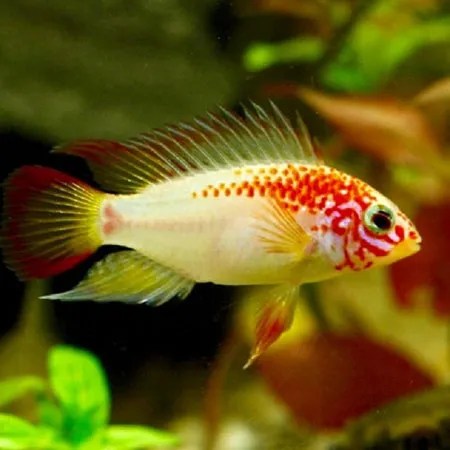
Apistogramma viejita “Gold” is a captivating and visually striking variant of the Viejita Dwarf Cichlid, a less common but beautiful species among aquarium enthusiasts. The “Gold” variation is known for its vibrant and brilliant golden coloration, making it a sought-after choice for aquarists looking to add a touch of elegance to their aquarium. In this comprehensive article, we will delve into the world of Apistogramma viejita “Gold,” including their appearance, behavior, care requirements, tank setup, diet, compatibility, and the charm they bring to your freshwater aquarium. Appearance: Apistogramma viejita “Gold” is celebrated for its stunning and radiant golden coloration. These dwarf cichlids typically have a predominantly golden or yellowish body, especially in males, with contrasting markings on their fins and body. The vivid golden hues make them a visually captivating addition to the aquarium. Size: Viejita Dwarf Cichlids are relatively small, with males typically reaching a size of about 2.5 to 3 inches (6 to 7.5 centimeters), while females are slightly smaller. Behavior: These dwarf cichlids are known for their engaging and sometimes territorial behavior, especially during breeding. Males can become territorial and may display various courtship behaviors and threat displays. Despite their territorial nature, they are generally peaceful within a community aquarium and can be kept in pairs or small groups. Diet: Apistogramma viejita “Gold” are omnivorous and accept a wide range of foods. They readily consume high-quality flake foods, pellets, live or frozen invertebrates (such as brine shrimp and bloodworms), and small portions of fresh vegetables. Offering a varied diet is essential to meet their nutritional needs. Tank Setup: Creating an ideal environment for Apistogramma viejita “Gold” involves several considerations: Tank Size: A 20-gallon aquarium is a suitable starting point for a pair or a small group of Apistogramma viejita “Gold.” Larger tanks provide more swimming space and help maintain stable water parameters. Substrate: Use a fine gravel or sand substrate, which resembles their natural habitat and accommodates their digging and sifting behavior. Decor: These dwarf cichlids appreciate a well-decorated aquarium. Provide hiding spots such as caves, rocks, driftwood, and live plants. Plants not only enhance aesthetics but also offer cover and security. Water Parameters: Apistogramma viejita “Gold” thrives in stable water conditions with a pH range of 6.0 to 7.5 and a temperature range of 74-82°F (23-28°C). Regular water changes and efficient filtration are crucial to maintaining water quality. Compatibility: In a community aquarium, Apistogramma viejita “Gold” can coexist with various peaceful tankmates, such as tetras, rasboras, and other small, non-aggressive fish. Choose tankmates that share similar water parameter requirements and avoid aggressive or fin-nipping species. Providing hiding spots and visual barriers can help reduce potential territorial conflicts. Breeding: Breeding “Gold” Viejita Dwarf Cichlids can be a fascinating and rewarding experience. These dwarf cichlids are known for their complex courtship and breeding behaviors. Males may display enhanced colors and engage in intricate courtship displays to attract females. The female typically lays her eggs in a sheltered location, such as a flat surface or within a cave. Both parents participate in guarding and caring for the eggs and fry. Providing appropriate breeding sites can encourage successful breeding. In summary, Apistogramma viejita “Gold,” with its radiant golden colors and engaging behaviors, is a captivating addition to freshwater aquariums. These dynamic dwarf cichlids can serve as a focal point in your aquatic community, providing both visual beauty and a sense of wonder. Whether you’re a beginner or an experienced fishkeeper, “Gold” Viejita Dwarf Cichlids are an excellent choice for your aquarium, offering a visually captivating and engaging underwater world for you to enjoy.
Brand
Cooler Master